Blue Jay
Blue Jay
- Species: Cyanocitta cristata
- Type: Bird
- Typical Size: 9.8-11.8 in / 13-17 in wingspan
- Plumage Colors: Bright blue upperparts, white chest and face, black necklace, and blue crest
- Habitat Needs: Deciduous and mixed forests / Suburban yards / Tree cover
- Activity Period: Diurnal
- Diet: Nuts / Seeds / Insects / Fruit / Occasionally eggs or nestlings
- Song/Call Description: Loud, varied calls including harsh “jay jay” screams, whistles, and mimicry of hawks
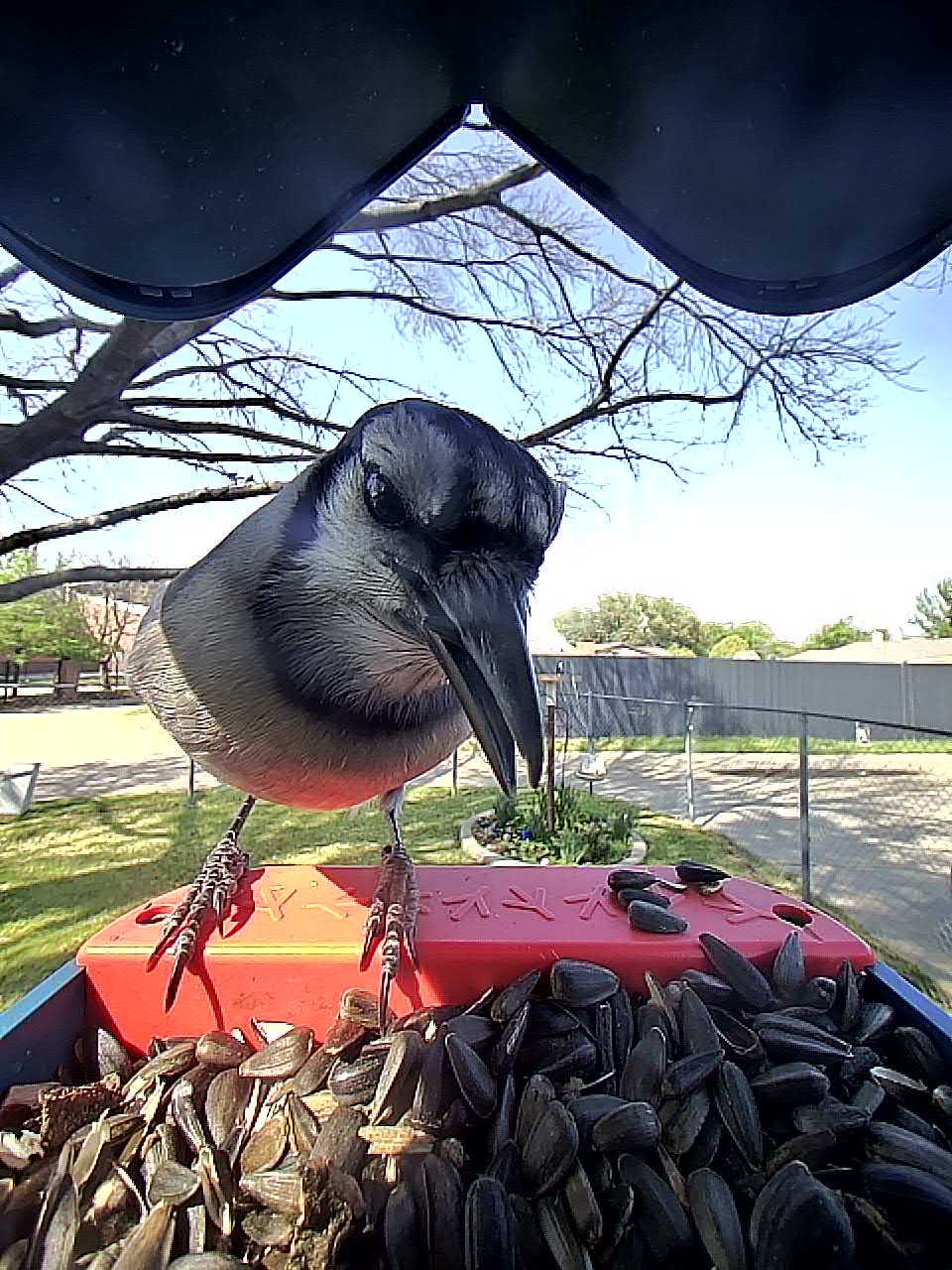
Bird Behavior
- Notable Behaviors: Food caching / Alarm calling / Aggressive feeding / Mimicking other birds
- Nesting Habits: Tree branches or forks / Cup-shaped nests of twigs and mud
- Attracts To Garden By: Platform feeders / Peanuts / Oaks / Birdbaths
- Migration Patterns: Resident / Partial Migrant
Favorite Plants Or Features
- Favorite Trees/Shrubs: Oak / Hickory / Maple / Evergreen shelter
- Favorite Flowers/Grasses: N/A - prefers trees and shrubs
- Shelter Choices: Tree canopies / Dense branches / Near oaks or mast trees
Notes
- Interaction with Pets: Bold / May vocalize loudly / Watches carefully from above
- Special Notes: Intelligent and social; can dominate feeders and warn other birds of threats
Description
The blue jay is one of the most recognizable and vocal backyard birds, boasting vivid blue feathers and a personality to match. Known for their intelligence and complex social behavior, blue jays will cache food, imitate hawks to scatter other birds, and act as both sentries and opportunists. Though sometimes seen as bullies at the feeder, they play a valuable role in forest ecology by spreading acorns and alerting other wildlife to danger. Their presence is striking-whether calling raucously from a treetop or flashing their wings across the garden.
Known Emberwood Members
- Kaedor The Fierce — Canopy Court