Brown-Headed Cowbird
Brown-headed Cowbird
- Species: Molothrus ater
- Type: Bird
- Typical Size: 7.5 in / 12-15 in wingspan
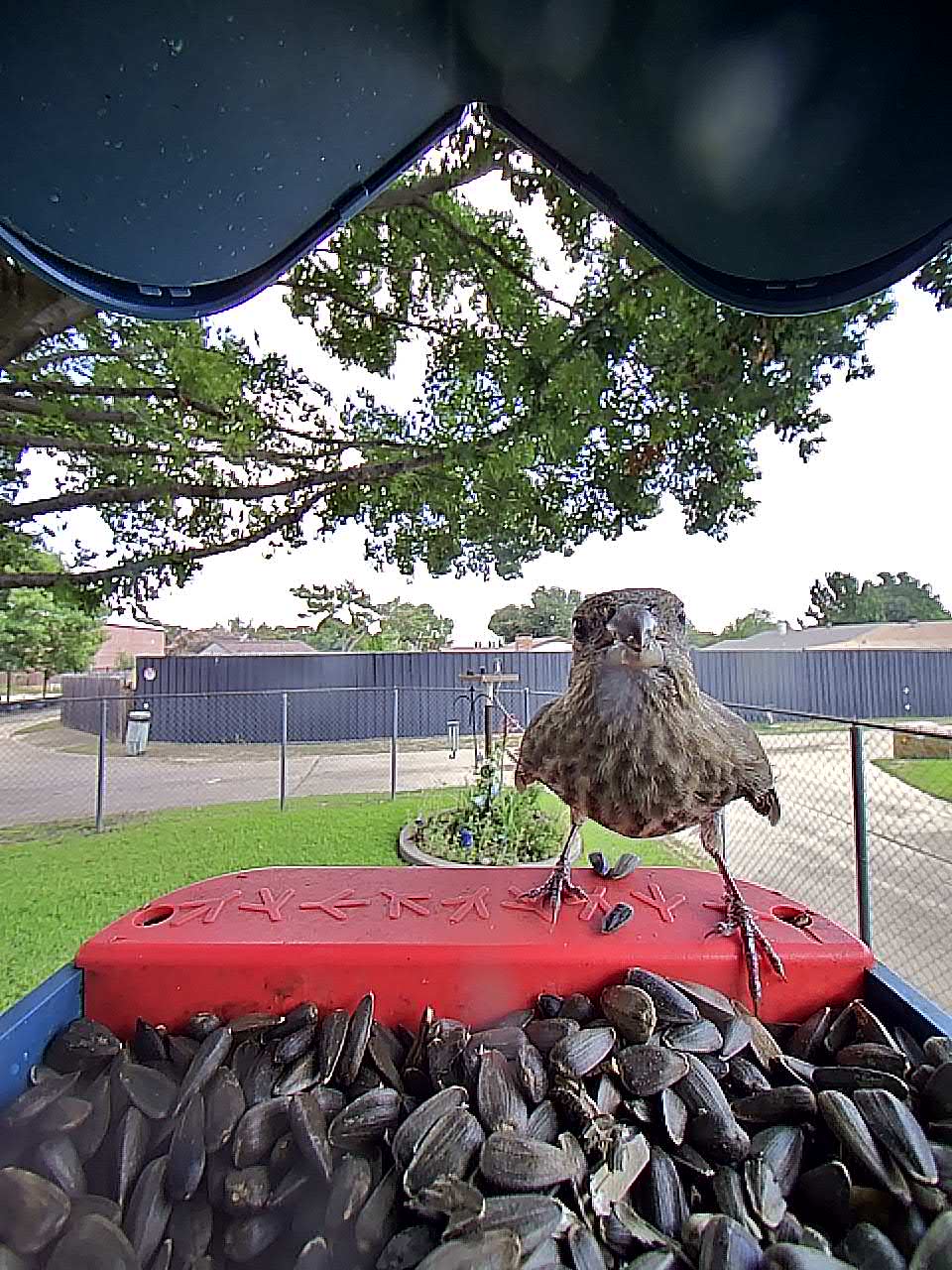
- Plumage Colors: Males: glossy black body with rich brown head; Females: plain gray-brown overall
- Habitat Needs: Open Fields / Forest Edges / Grasslands / Suburban Lawns / Pastures
- Activity Period: Diurnal
- Diet: Seeds / Insects
- Song/Call Description: Liquid bubbling song and sharp “check” calls; male song is a descending gurgle
Bird Behavior
- Notable Behaviors: Feeding / Singing / Parasitic Nesting / Courtship Displays
- Nesting Habits: Lays eggs in nests of other birds (brood parasite); no nest-building by adults
- Attracts To Garden By: Ground seed / Feeders / Open foraging space
- Migration Patterns: Summer Migrant / Partial Resident in warmer areas
Favorite Plants Or Features
- Favorite Trees/Shrubs: Edge trees near fields / Scattered oaks or cottonwoods
- Favorite Flowers/Grasses: Grain grasses / Lawn turf
- Shelter Choices: Low shrubs / Trees near open ground
Notes
- Interaction with Pets: Skittish / Flees easily / Will return once clear
- Special Notes: Known for brood parasitism-lays eggs in nests of other species, often larger and earlier-developing than host chicks
Description
The brown-headed cowbird is a stocky, short-tailed blackbird best known for its sneaky reproductive strategy. Rather than building nests, females deposit their eggs in the nests of other songbirds, leaving the parenting duties to unsuspecting hosts. Males are sleek with glossy black plumage and a rich brown head that shimmers in sunlight, while females are a modest brown-gray. Often found foraging in flocks on the ground or visiting feeders with other blackbirds, cowbirds can be spotted in open areas like pastures, lawns, and forest edges. Though their nesting behavior is controversial, their striking look and bubbly gurgling calls make them a notable visitor to any backyard setup.
Known Emberwood Members
- Gavren The Unbidden — Other Powers in Motion